Origins of Wine and the traveling Vine
A history that spans aeons, winemaking is deeply intertwined with human civilization, culture, and innovation. With economic significance there is exceptional value as a global industry.
A favor for sustainable, authentic wines driving demand for small-batch and natural wines. Vineyards and gardens have been central to the existence of humankind from early agriculture, its inspired art, literature, communion and social bonding, festivals and its pairings in cuisine. Main exporters being in France, Italy, and Spain.
fructus vitis, fruit de la vigne,
fruto de la vid, karpós tis ampélou,
ვაზის ნაყოფი
All roads lead to to the languages of wine
Aromas  primary, secondary, tertiary
Appearance  clarity, intensity, colour
Nose  condition, intensity, aroma characteristics
Palate  sweetness, acidity, tannin, body, flavour intensity, flavour character, finish
Tannin  Grape skin
Terrior  Sense of place
Vineis  Gardens of grapes
Vieilles vignes  Old vine
Vitis  Vine
Vino  Wine
Vitis vinifera  Wine grapevine
Vinifera  Wine-producing
Viti culture  Vine cultivation
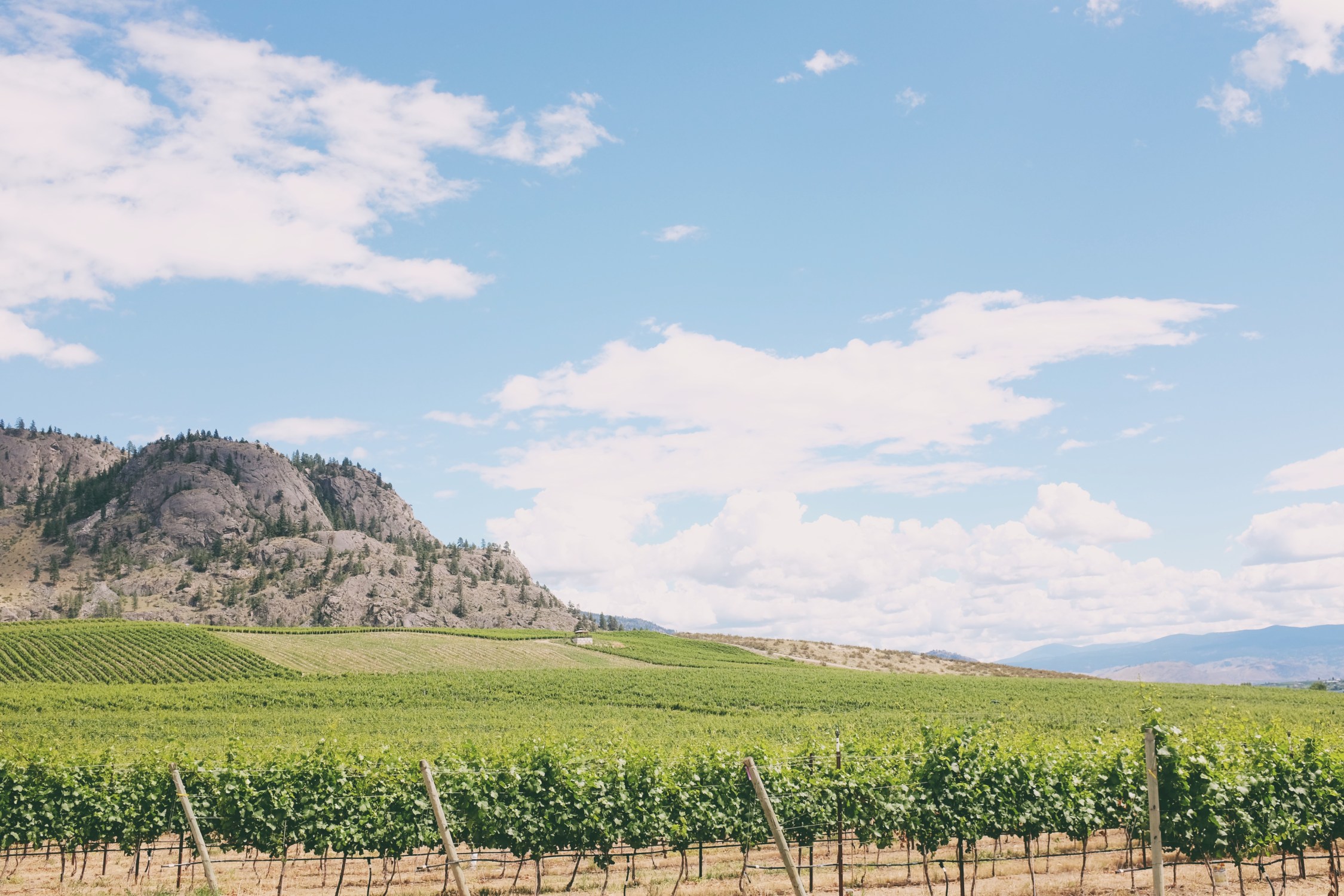
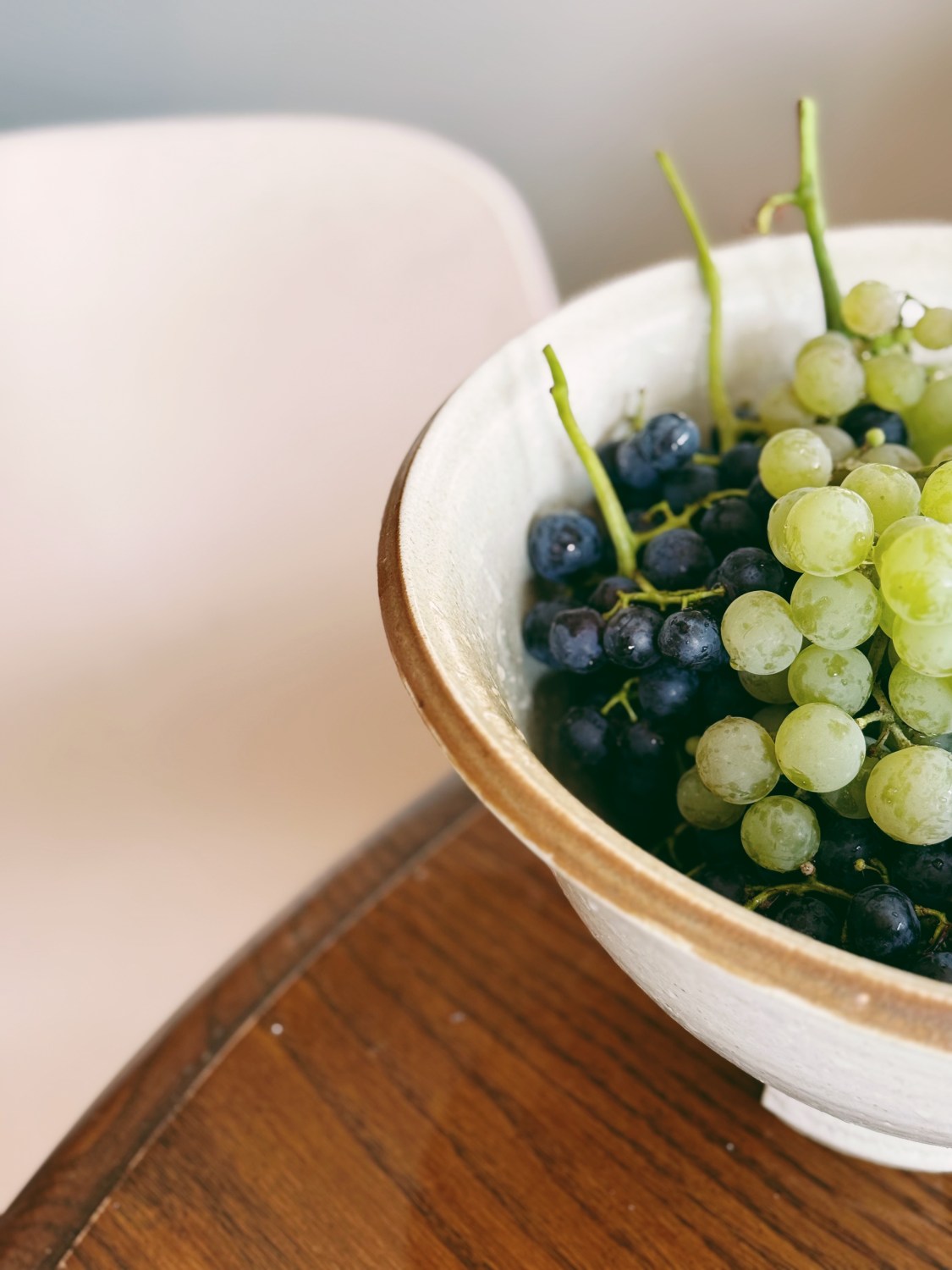
Origins
Earliest evidence in archaeological findings suggest winemaking began around 6000–7000 BCE in the foothills of Mount Ararat, and the South Caucasus (modern-day Georgia). Clay jars with wine residues containing tartaric acid from sites around like Hajji Firuz Tepe (Iran) and Areni-1 (Armenia) confirm early fermentation of grapes.
In Mesopotamia and Egypt (4000–3000 BCE), Wine appeared in ancient Sumerian and Egyptian cultures. With hieroglyphs depicting vineyards, winemaking, and religious rituals. By 3000 BCE, the elite consumed wine, while commoners drank beer.
Phoenicians spread viticulture trade in 2000–1000 BCE, introducing grapevines to the Levant, Greece, North Africa, and all over the Mediterranean. Wine then became a trade commodity, stored in amphorae, jars of clay.
Ancient Greece (1000–300 BCE), Wine was central to Greek culture. Some likening it to the god Dionysus, and thus Symposia (drinking parties) used wine to foster philosophical discussions. While some Greek producers diluted wine with water and exported it widely, influencing regions like Italy and southern France.
Romans perfected viticulture and winemaking during 300 BCE–500 CE, introducing techniques like barrel aging, trellising, and soil analysis. They spread vineyards to modern-day France (Bordeaux, Rhône), Germany (Mosel), and Spain. Wine was a staple, with varieties like Falernian prized by elites. The Roman convivium (banquet) elevated wine’s social role. By the fall of the Western Roman Empire (476 CE), wine production was established across Europe, North Africa, and parts of Asia Minor.
Christian monasteries preserved and advanced winemaking after Rome’s collapse. Monks in regions like Burgundy and Tuscany refined vineyard practices. Church and State, influences between the two linked wine to harvest festivals, religious covenants, and common celebratory enjoyments.
Wine trade flourished in medieval Europe, with Bordeaux exporting to England and Italian city-states like Venice distributing wines across the Mediterranean while Fortified wines like sherry emerged in Spain.
The Black Death (1347–1351) and wars disrupted production, but wine remained a dietary staple, often safer than water.
European colonization spread viticulture to the New World. Spanish missionaries planted vines in Mexico (1520s), Peru, Chile, and Argentina by the 16th century. South Africa’s Cape Colony began producing wine in the 1650s (Constantia).
A rise of Wine Regions emerged in Bordeaux, Tuscany, and the Rhine became renowned for their distinct styles. Port and Madeira, fortified for long sea voyages, gained popularity in Britain. Glass bottles and cork tops in the 17th century revolutionized storage and aging, especially as Champagne’s sparkling wine emerged in France.
Modern Era
19th Century challenges production with the Phylloxera Crisis in the 1860s–1890s. A vine-destroying pest from North America devastated European vineyards. Grafting European vines onto resistant American rootstocks saved the industry.
Wine Classification Systems began with The 1855 Bordeaux Classification, ranking châteauxs, cementing reputations. Similar systems emerged in Tuscany (Chianti) and Rioja.
20th Century In the U.S.A., Prohibition crippled the wine industry in the roaring, and dirty 1920–1933s.
Post-repeal, California’s Napa Valley rose to prominence as sacramental and home winemaking persisted. While globalization of cultivators arose, South America, Australia, and New Zealand emerged as major players. Innovations like stainless steel tanks and temperature-controlled fermentation improved quality and consistency.
Judgment of Paris (1976): A blind tasting where California wines (Stag’s Leap, Chateau Montelena) outperformed French classics, signaling the New World’s rise.
Sustainability and organic, biodynamic, and low-intervention, natural wines gained traction in the 21st Century, reflecting environmental concerns world wide. California’s American ‘New World’ wines success inspired suitable micro climates further up the west coast into Canadian coast mountain regions to also partake in traditional winemaking methods.
around the world wine trail, between 30 and 50 degrees latitude
               Germany
Canada
USA  France  Austria  Hungary  Moldova  Russia
                           Romania
                          Serbia      Georgia
     Portugal  Spain  Italy  Greece  Armenia
                                        Israel
                        South Africa
                                  Australia
   Argentina                      New Zealand
 Chile
Old World; Caucasus
Labels inside the European Union
Geographical Indications (GIs)
Protected Designation of Origin (PDO)
Protected Geographical Indication (PGI)
Italy
Chianti, Barolo, Friuli, Tuscany, Alto Adige, Puglia
PDO; Denominazione di Origine Controllata DOC,
Denominazione di Origine Controllata e Garantita DOCG
PGI; Indicazione Geografica Tipica IGT
France
Bordeaux, Tuscany, Burgundy, Bourgogne, Chablis, Meursault, Côte d’Or, Puligny-Montrachet, Chassagne-Montrachet, Alsace, Loire Valley, Sancerre, Rhône Valley, Condrieu, Beaujolais, Provence (Provençal)
PDO; Appellation d’Origine Contrôlée AOC,
Appellation d’Origine Protégée AOP
PGI; Indication Géographique Protégée IGP
Villages (Crus), Grand Cru, Premier Cru
Spain
Rioja, Aragón, Ribera del Duero, Toro, La Mancha Catalunya
PDO; Denominación de Origen DO,
Denominación de Origen Calificada DOCa
PGI; Vino de la Tierra
Germany
Moselle, Mosel rivers, Rhine Valley, Riesling, Pfalz, Baden, Rheingau
PDO; Qualitätswein, Prädikatswein
PGI; Landwein

Austria: Burgenland
Labels Globally
New World; Americas and Oceania
Geographical Indications (GIs)
Protected Designation of Origin (PDO)
South Africa: Stellenbosch, Walker Bay
Australia: Barossa, Margaret River, Yarra Valley, Adelaide Hills
New Zealand: Marlborough, Marlborough, Hawke’s Bay, Gisborne, Central Otago
Chile: Maipo, Casablanca Valley
GIs; Denominations of Origin DO
Mexico
GIs; Denominations of Origin DO
USA: Napa, Sonoma Valley, Russian River Valley, Carneros, Central Coast, Oregon, Washington State
GIs; American Viticultural Areas AVAs


Canada: British Columbia, Okanagan Valley, Centre-du-Québec, Ontario, Niagara,  Nova Scotia, Tidal Bay Appellation
GIs; Vintners Quality Alliance VQA, British Columbia Vintners Quality Alliance BCVQA
Subscribe for Premium Content
more on grape growing and winemaking
Images and writing ©️jessikahunterphotography
Sourced Information (GrokAI2025) and (WSET)
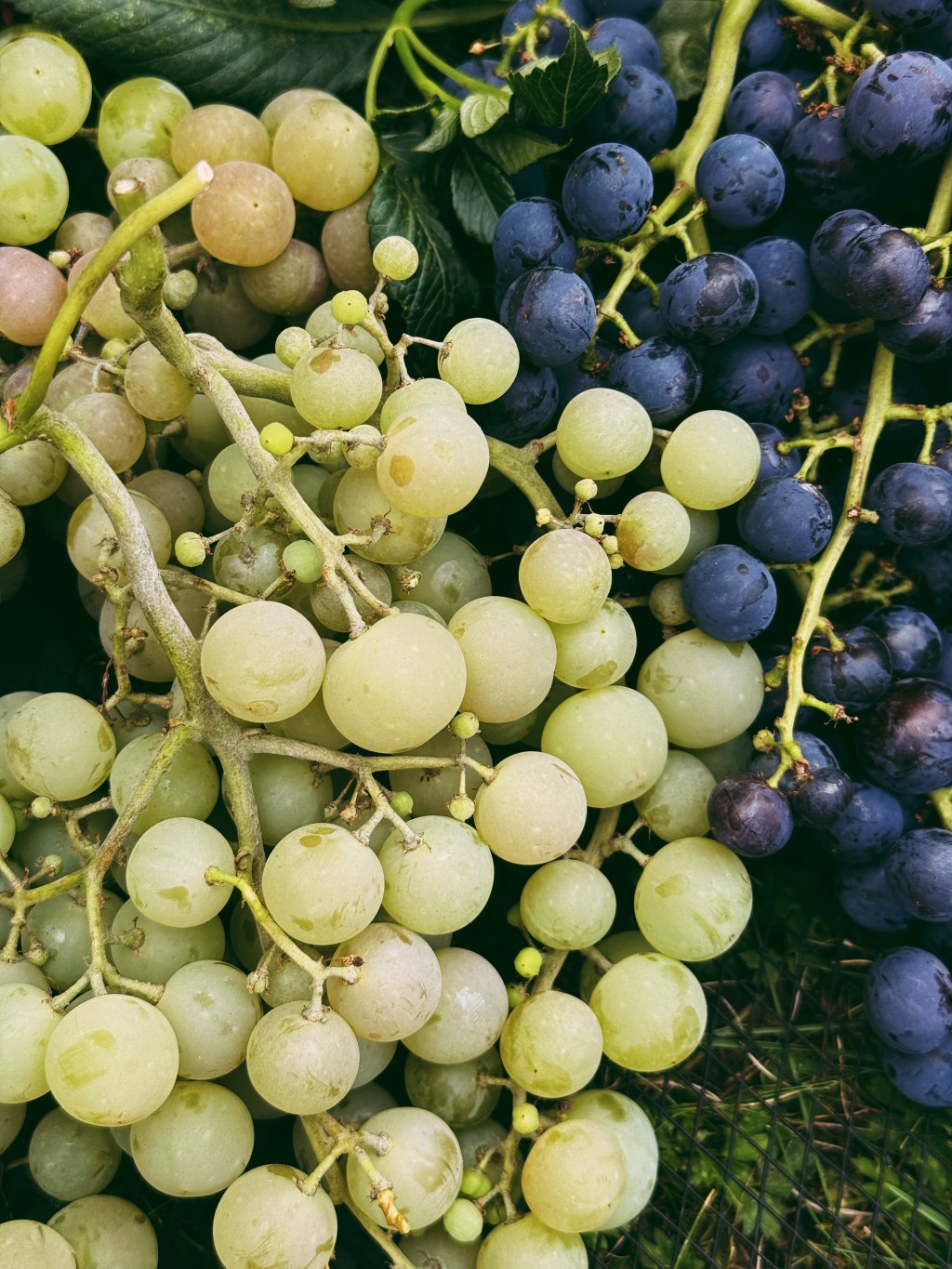
 *sparkling demi-sec and champagne powder
One response to “Vineis, grapes”
[…] Origins traced to languages and regions of the Caucasus, Western Asia, and Rome […]